Posts Tagged mobile home inspection

What to look for in your mobile home inspection team

The anticipation of buying a manufactured or mobile home often causes buyers to overlook one critical step: the inspection. A mobile home may appear to be the best option available, but your primary concern should be the elements you cannot immediately see, such as plumbing, electrical systems, wiring, and fixtures. It is often only after moving in that these practical issues begin to surface.

For this reason, it is imperative to hire a credible manufactured home inspector to conduct a thorough inspection before you close the deal. You can assess the professionalism and credibility of an inspector by evaluating the following key factors:

Association with a Relevant Company

The most reliable home inspectors are almost always affiliated with reputable inspection companies or organizations in your area. If an inspector operates independently despite the presence of established organizations, this may introduce unnecessary risk and uncertainty.

As a general rule, working with an inspector associated with a company provides accountability and a formal channel for follow-up should any issues arise.

Experience

Experience is, without question, one of the most important factors. It cannot be fabricated or concealed. Ensure the inspector you hire has substantial experience, enabling them to identify not only existing issues but also potential problems that may develop in the near future.

Coverage of Inspection

Before being swayed by unusually low inspection rates, make sure to clearly understand the scope of the inspection. Crucial aspects such as detailed plumbing and electrical inspections must not be excluded. A qualified inspector should go beyond surface-level observations and actively look for hidden or underlying issues.

Time Factor

Be cautious of inspectors who promise a comprehensive inspection in an unusually short amount of time. A proper, detailed inspection typically takes no less than two to three hours. While a fast inspection may sound appealing, it often increases the likelihood that important details will be overlooked.

Posted in: mobile home inspection

Leave a Comment (0) →
What is the Life Expectancy of Manufactured Homes?

Today’s manufactured homes have a life expectancy of approximately 30 to 55 years, depending on the level of maintenance, according to the U.S. Department of Housing and Urban Development (HUD). While this estimate is generally accurate, there are several variables beyond owner care that can significantly affect how long a mobile home lasts.

  1. HUD’s projection is based on modern manufactured home construction standards. A nationwide building code for manufactured homes was established in 1976, and construction standards have been strengthened multiple times since then. Newer homes are built to be more resistant to windstorms and fire, along with meeting additional requirements that improve overall durability and structural integrity.
  2. Although an aging mobile home may remain habitable, there are notable downsides to continuing to maintain an older unit. One common issue is insufficient insulation. Older mobile homes are well known for high utility costs during cold winters and hot summer months. Many also have outdated 60- or 100-amp electrical panels, which are often inadequate for today’s higher electrical demands. In addition, older floor plans may feel cramped by modern standards, with narrow hallways and small bathrooms.
  3. The original quality of construction also plays a major role in longevity. Budget models that offered large square footage at a very low purchase price typically do not last as long as higher-quality, more expensive homes. Poorly maintained, lower-priced mobile homes may begin showing signs of deterioration within as little as ten years.
  4. Site conditions are another critical factor. Homes installed on land that remains wet during parts of the year, or on sites that are not properly graded to direct rainwater away from the structure, are more prone to premature deterioration. Standing water beneath the home can lead to moisture damage to the underside, especially if the belly board has been compromised. Homes built in the 1980s with fiberboard siding are particularly vulnerable to moisture-related issues, including mold and wood rot.
  5. Remodeling an older mobile home can be a practical way to extend its lifespan, especially when investments are made in roofing, siding, insulation, windows, and interior upgrades. These improvements enhance both weather resistance and overall livability.

In summary, selecting a higher-quality manufactured home and maintaining both the home and its installation site are the most important factors in reaching — or even exceeding — the 50-plus-year lifespan projected by HUD.

For more information about scheduling a professional home inspection, please call us at (714) 353-1360 or contact us online.

Posted in: Manufactured Home inspection

Leave a Comment (0) →

10 Very Important Questions to Ask Your Home Inspector

1. What does your inspection cover?

The inspector should confirm that both the inspection and the inspection report meet all applicable state requirements, when applicable, and comply with a well-recognized standard of practice and code of ethics. You should be able to request and review copies of these standards in advance and ask any questions you may have. If there are specific areas you want to ensure are included, be sure to identify them upfront.

2. How long have you been practicing in the home inspection profession, and how many inspections have you completed?

The inspector should be able to share their professional background and, ideally, provide references. While newer inspectors can be highly qualified, many work alongside a partner or have access to more experienced inspectors who can assist during the inspection process.

3. Are you specifically experienced in residential inspections?

Experience in construction or engineering can be beneficial, but it is not a substitute for formal training and hands-on experience in the specialized field of home inspection. If the inspection is for a commercial property, be sure to ask about relevant experience in that area as well.

4. Do you offer to perform repairs or improvements based on the inspection?

Some inspector associations and state regulations allow inspectors to perform repairs on issues identified during the inspection. Others strictly prohibit this due to potential conflicts of interest. It is important to understand where your inspector stands on this matter.

5. How long will the inspection take?

For a typical single-family home, the average on-site inspection takes approximately two to three hours for a single inspector. Significantly shorter inspection times may indicate that the inspection will not be thorough. For larger or more complex properties, additional inspectors may be required.

6. How much will it cost?

Inspection costs can vary widely based on region, the size and age of the home, the scope of services, and other factors. A common price range is $300 to $500. When evaluating cost, consider the value of the inspection relative to the overall investment in the property. Price alone is not a reliable indicator of quality.

7. What type of inspection report do you provide, and how long will it take to receive it?

Ask to see sample reports to determine whether the inspector’s reporting style is clear and easy to understand. Also confirm whether the delivery timeline meets your needs. Most inspectors provide a complete report within 24 hours of the inspection.

8. Will I be able to attend the inspection?

Attending the inspection is a valuable educational opportunity. An inspector who refuses to allow this may raise concerns. Being present allows you to see the property through the eyes of a trained professional and ask questions in real time.

9. Do you maintain membership in a professional home inspector association?

There are numerous state and national professional associations for home inspectors. Ask to see proof of membership and conduct any due diligence you feel is necessary to verify credentials.

10. Do you participate in continuing education programs?

No inspector can know everything. A commitment to ongoing education is a strong indicator of professionalism and dedication to quality service. This is especially important when inspecting older homes or properties with unique or specialized features that require updated knowledge and training.

In conclusion, asking the right questions before hiring a home inspector is essential to protecting your investment and avoiding costly surprises down the line. A thorough, qualified inspection provides clarity, confidence, and a deeper understanding of the property you are considering.
By choosing an inspector with the right experience, credentials, transparency, and commitment to professional standards, you place yourself in the strongest possible position to make an informed decision—whether you are buying, selling, or maintaining a home.

Posted in: Manufactured Home inspection

Leave a Comment (0) →

Buying a Mobile Home and What to Look For

Buying a mobile home in 2013 can be the right choice. Many Baby Boomers are discovering that owning a four-bedroom house with a large mortgage payment is simply too much to maintain. When your children have moved out, finished college, and started families of their own, it may be time to consider downsizing to a mobile home or manufactured home.

My father and I have more than 50 years of combined experience in the mobile home industry. I have personally inspected thousands of mobile homes, and in recent years I have seen more and more people preparing for retirement and realizing that buying a mobile home or manufactured home is the right decision. With mobile home space rentaveraging between $600 and $1,500 per month, homeowners can count on lower housing costs as they move into their retirement years.

Mobile homes are currently selling for nearly one-third of what they sold for in 2008. I regularly see double-wide mobile homes in Huntington Beach selling for $30,000 or less. While some of these mobile homes may appear outdated, remodeling a manufactured home can be relatively inexpensive if the structure is solid. The key to buying a mobile home is making sure the following components are in good condition:

  • Roof.

  • Plumbing.

  • Electrical.

  • Piers and pads.

  • Windows.

  • Siding and skirting.

  • Furnace and air conditioning.

If these mobile home systems are in good shape, simple upgrades such as new paint, flooring, and appliances can dramatically improve the appearance and comfort of the manufactured home.

I inspect mobile homes and manufactured homes every day—this is all I do. I inspect 1970s mobile homes as well as brand-new 2013 triple-wide manufactured homes. Over time, I see the same mobile home problems repeatedly. Below are the most common issues found during a mobile home inspection:

  1. Mobile home water heaters missing earthquake straps.

  2. Mobile homes missing smoke detectors or carbon monoxide detectors.

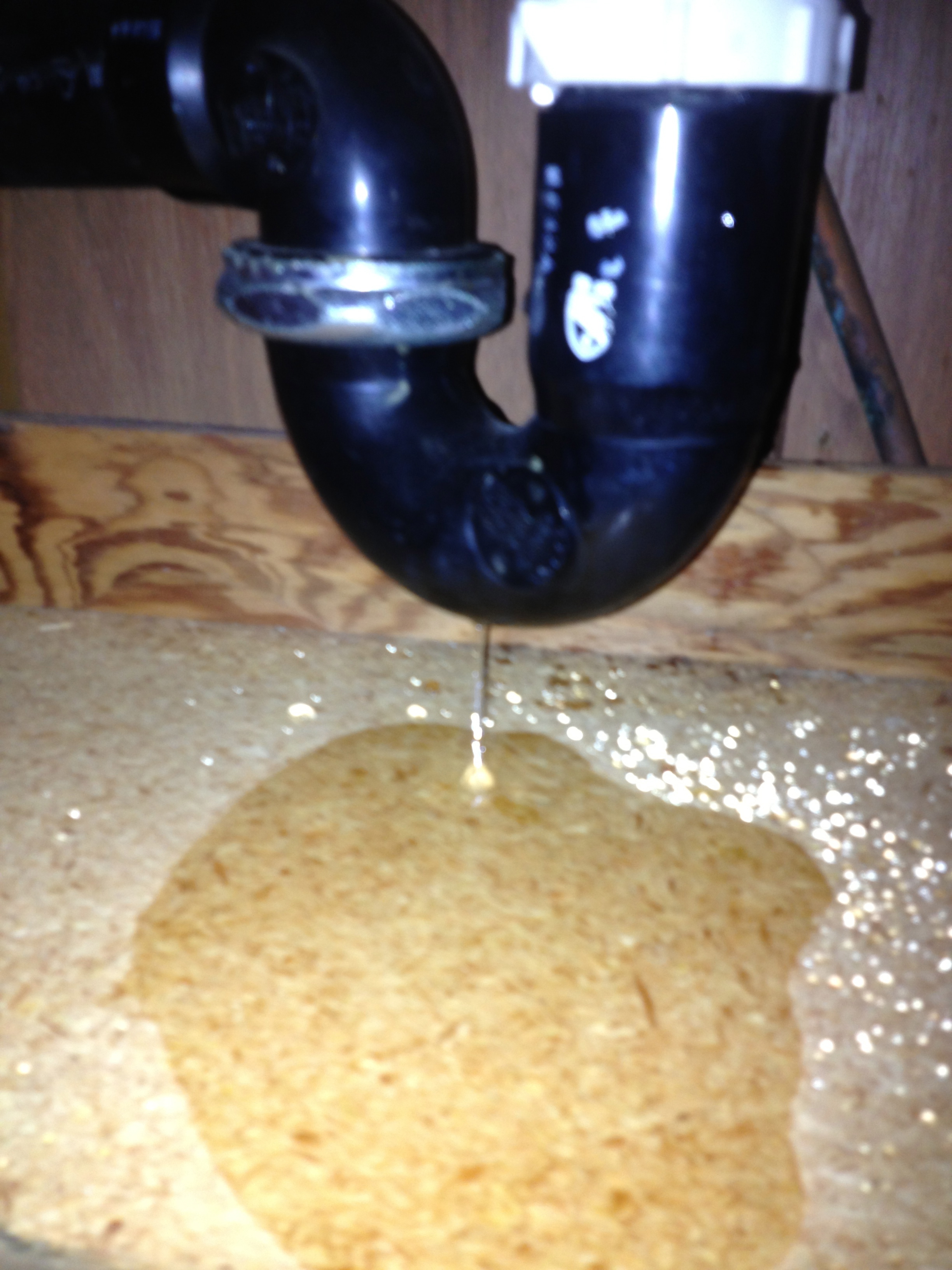
  3. Mobile home plumbing leaks under bathrooms or kitchens.

  4. Rodents under manufactured homes due to improperly sealed skirting.

  5. Soft floors in mobile homes near toilets or moisture-prone areas.

  6. Mobile home ceiling stains near roof vents.

  7. Mobile home lights not working.

  8. Mobile home electrical outlets not working.

  9. Mobile home doors not closing properly.

  10. Low water pressure in mobile homes.

These mobile home repair issues are usually inexpensive when identified early during a manufactured home inspection. However, if left uncorrected, mobile home problems tend to worsen over time. One of the biggest advantages of completing a mobile home inspection before buying is the ability to negotiate with the seller to complete mobile home repairs before escrow closes. This is far better than discovering a major mobile home plumbing leak or roofing issue after escrow has already closed.

Our fee for a manufactured home inspection or mobile home inspection is a flat $200 and includes a detailed nine-page inspection report with photos. In over 90% of our mobile home inspections, we identify more than $1,000 in mobile home repairs that can be negotiated prior to closing escrow. When you consider the cost of unexpected mobile home repairs, the value of a professional mobile home inspection becomes clear.

Posted in: Manufactured Home inspection

Leave a Comment (0) →

About our Mobile Home Inspection Process

Manufactured Home Inspection is a family-owned business with more than 30 years of experience in the mobile home and manufactured home industry. Our company was built on decades of hands-on expertise in manufactured home inspection, mobile home repair, and manufactured home construction. Our leadership holds a California C-47 specialty license, allowing us to specialize in mobile home and manufactured home repairs, as well as a B General Contractor license, which authorizes work on single-family residences.

Our team has worked in this industry for generations, developing long-standing relationships with respected mobile home dealers throughout Southern California, including Monarch, Advantage, OC Mobile Homes, Wallace Homes, Blue Carpet, Sunrise, Strictly Mobiles, Heritage, and J&R. Our manufactured home inspection business has remained successful because we operate with honesty, objectivity, and accountability. Every manufactured home inspection is approached with the same level of care and scrutiny we would expect for our own family.

Our extensive manufactured home inspection typically takes between one hour and one and a half hours. The inspection begins on the exterior of the manufactured home, where we evaluate the siding, skirting, windows, driveways, awnings, sheds, electrical outlets, exterior lighting, utilities, water heater enclosure, furnace, air conditioning system, gutters, downspouts, roof, vents, porches, steps, and doors.

We then move inside the mobile home to inspect all plumbing systems, faucets, drains, electrical outlets, lighting, appliances, walls, ceilings, doors, windows, smoke detectors, carbon monoxide detectors, electrical panels, showers, bathtubs, and flooring materials.

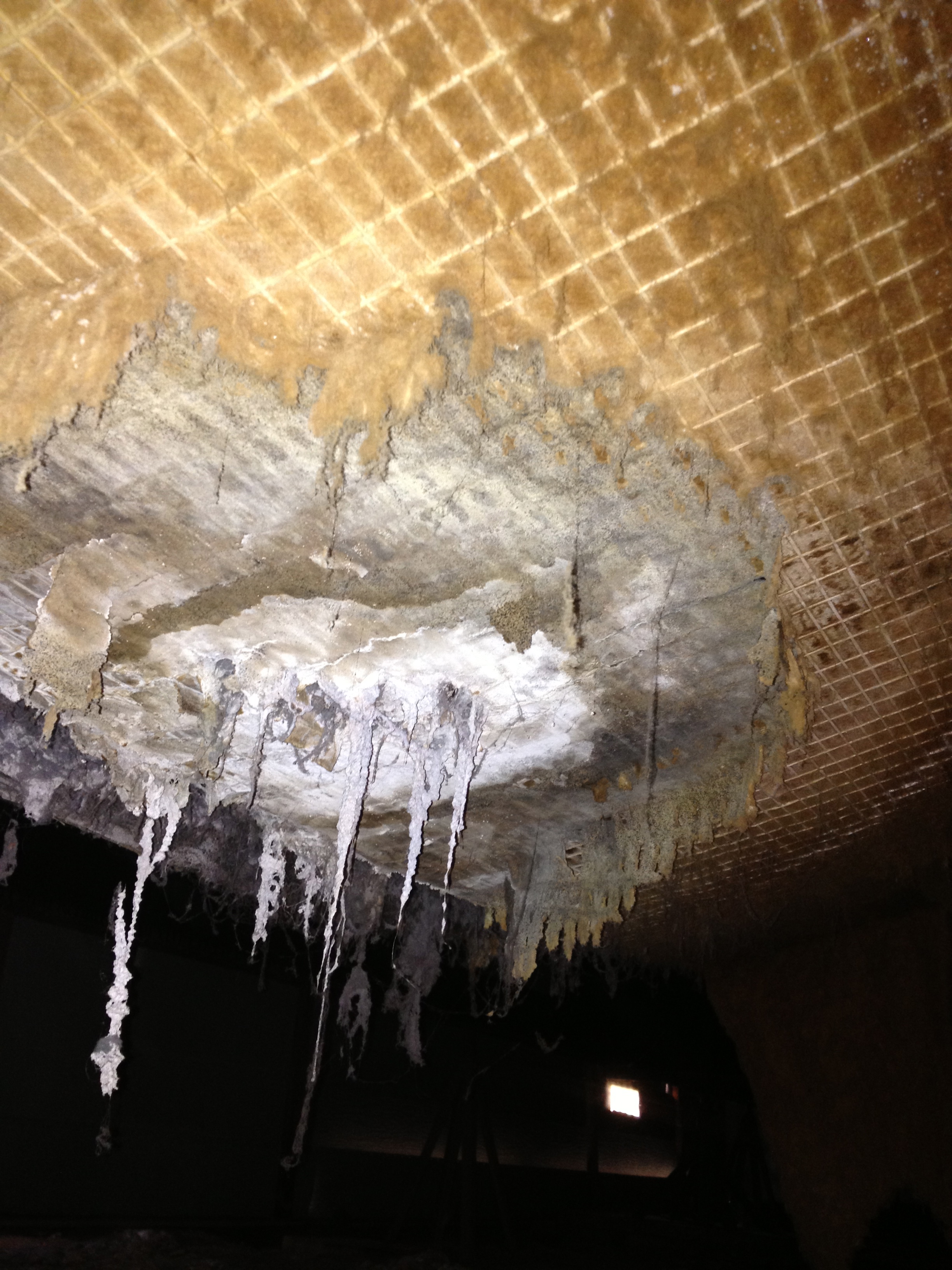
Once the interior and exterior inspections are complete, we perform a crawl space, or undercarriage inspection. This is a critical part of any mobile home inspection. During this phase, we inspect the belly board and insulation, rusted, missing, or cracked piers, improper electrical installations, plumbing leaks, ductwork, dryer vent connections, axles, earthquake bracing, vapor barriers, tie-downs, and marriage piers.

After your manufactured home inspection is completed, we email you 20 to 40 detailed photos documenting our findings. Each photo includes a clear explanation of the issue and how it relates to Title 25 health and safety coderequirements. Within 24 to 48 hours, you will receive a comprehensive nine-page inspection report that documents every aspect of the inspection in detail.

With this report in hand, buyers and sellers can confidently enter negotiations to determine how required mobile home repairs will be addressed prior to closing. When all factors are considered, a flat inspection fee of $200 is a small investment for such a thorough, objective, and professional manufactured home inspection.

Posted in: Manufactured Home inspection

Leave a Comment (3) →

Top 10 Reasons to Complete a Mobile Home Inspection

If you are planning to buy a mobile home, manufactured home, or modular home in the near future, there is one critical step you should take before closing escrow: get a mobile home inspection. Why is a mobile home inspectionso important? There are many reasons, but below are the top ten reasons every mobile home buyer should have their prospective mobile or manufactured home professionally inspected.

1. Know What You Are Buying

A mobile home inspection provides a detailed written report with photos that identifies existing or potential problems with the home. From mobile home plumbing to mobile home roofing, you deserve to know exactly what you are buying before committing to the purchase.

2. Be Safe

There may be safety issues you are not aware of, such as a gas leak, electrical hazards, or a deteriorating porch or steps. A licensed mobile home inspector can identify these risks and help ensure the home is safe for occupancy.

3. Negotiate the Purchase Price

If a mobile home inspection reveals $1,000 or more in necessary repairs, this information should be addressed before closing escrow. Inspection findings and estimated repair costs can be used to negotiate a lower purchase price or require repairs prior to sale.

4. Prevent Future Problems

Some issues may not be visible to the seller or buyer but can develop into costly repairs if left unresolved. A thorough manufactured home inspection can catch small problems early, preventing larger issues down the road.

5. Save Money

Once escrow closes, the mobile home — and all of its problems — becomes your responsibility. Investing in a mobile home inspection before purchase can save you thousands of dollars in unexpected repairs.

6. Educate Yourself

If you have never owned a mobile home or manufactured home, you may not fully understand how these homes are built or which issues are most common. Meeting with a licensed manufactured home inspector gives you valuable insight into ownership and maintenance.

7. Know What’s Possible

A professional manufactured home inspection also provides an opportunity to discuss potential upgrades. Buyers often ask about kitchen remodels, bathroom remodels, flooring upgrades, or other improvements. Knowing your options upfront helps with long-term planning.

8. Get Repairs Completed Before Moving In

If issues are identified during the mobile home inspection, you can negotiate with the seller to have repairs completed before you move in. This can significantly reduce stress and avoid immediate out-of-pocket expenses.

9. Don’t Buy a Lemon

In some cases, an inspection may reveal that a mobile home has far more issues than expected. When that happens, it may be better to walk away and find a manufactured home in better condition with fewer problems.

10. Peace of Mind

For a flat inspection fee of just $200, a mobile home inspection provides invaluable peace of mind. Compared to the cost of unforeseen repairs, the investment is minimal — and the confidence it provides is priceless.

  1. hidden leak under mobile home

    under carriage leak

    mobile home inspectors

    plumbing leak

Posted in: Manufactured Home inspection

Leave a Comment (1) →